

Data Center Cooling Crisis Averted
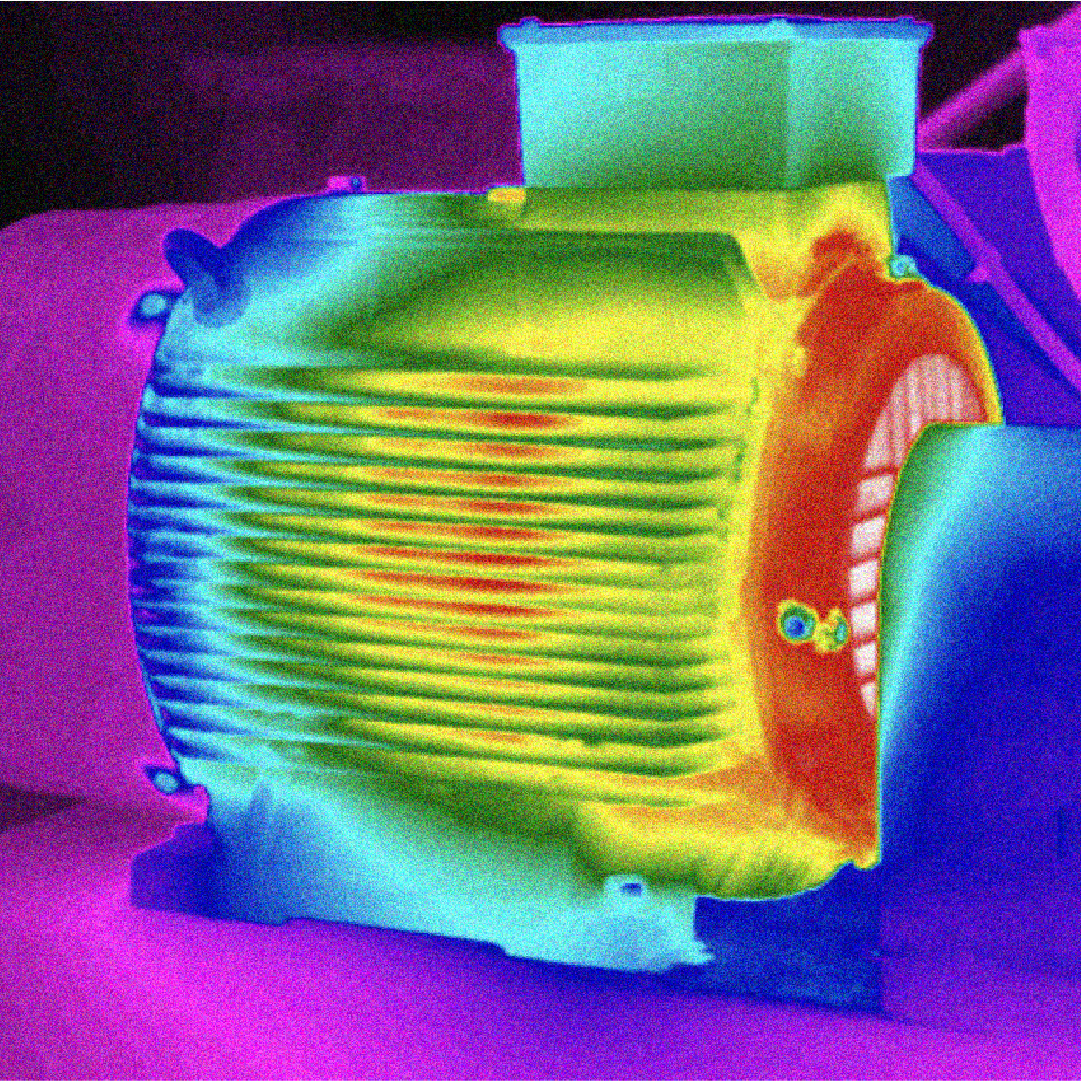
Project Scale & Technical Specifications
Assets Monitored
2 Water-cooled centrifugal chillers (including unit WCC-A) located in the chiller plant room
2 Uninterruptible Power Supply (UPS) Units located in the UPS Room.
Chillers Motor Driving End (DE), Motor Non-Driving End (NDE), and the Compressor.
UPS Outer casings for structural vibration monitoring.
Deployed Sensors
8 Wireless BLE Vibration Sensors (High Range): Dedicated to the bearing housings of chiller motors and compressors.
2 Wireless BLE Vibration Sensors (Low Range): Monitoring the outer casings of the UPS units.
Annual Data Collection
Operating on a high-frequency 2-hour sampling interval (with triggering enabled)
Sampling frequency of 25.6 kHz
Captures over 52,000 high-resolution diagnostic datasets annually
Ensures a continuous "pulse" of health for all assets
Installation Period
Plug&Sense system installed in 1 day
This was followed by a 3 week baseline calibration period
After calibration the system is fully calibrated to the data centers unique vibrational fingerprint
The Challenge
The Challenge
The client required an independent, 24/7 monitoring solution to protect their most vulnerable infrastructure points. The primary objective was to move away from periodic human inspections, which often miss the "whispers" of failure, and implement a system that could detect potential motor or bearing faults months in advance to prevent sudden breakdowns that would jeopardize IT uptime.
The System
The System
01
Sudden Breakdown Mitigation
The solution identifies early indicators of Ball Passing Frequency-Outer (BPFO) vibrations and harmonics, catching severe bearing faults before they lead to a total chiller failure.
02
2-10x ROI
By eliminating unnecessary scheduled overhauls and preventing emergency repairs, the client achieves a measurable return on investment while meeting critical ESG goals.
03
Virtual Expert Presence
Field engineers are empowered with real-time, context-aware AI intelligence, reducing the stress of "chasing alarms" and midnight shutdowns.
04
Energy Efficiency
Continuous monitoring ensures that machines operate at peak efficiency, reducing energy consumption by more than 18%.
The Results
Overall vibration levels on the motor side exceeded the TRIPS limit of the ISO 10816-1 Class III machine category, signaling an urgent need for intervention.
>TRIPS
Chiller Motor Condition
Excessive suspected BPFO vibrations with harmonics of bearing model 6315 were observed, indicating a severe motor bearing fault.
>BPFO
Bearing Diagnosis
Conclusion
Conclusion
Turning Data into Disaster Prevention
The analysis confirmed excellent rotor balancing and acceptable coupling alignment tolerance, with no mechanical looseness identified.
The "Save": Catching the Silent Killer The true value of the XpiderWeb platform was proven during the initial diagnostic phase. While standard inspections might have missed the warning signs, our 24/7 monitoring immediately flagged a critical anomaly in Chiller Unit WCC-A.
The system detected overall vibration levels that had already exceeded the safety limits for ISO 10816-1 Class III machinery. More importantly, our analytics didn't just sound an alarm—they diagnosed the root cause. We identified specific BPFO (Ball Passing Frequency-Outer) vibrations, pinpointing a severe motor bearing fault that was invisible to the naked eye.
Precision Diagnostics, Zero Guesswork
The data provided a complete health picture, ruling out false positives by confirming that the rotor balancing and coupling alignment were actually in excellent condition. This allowed the engineering team to stop wasting time guessing and focus strictly on the bearing issue.
The Outcome: From Catastrophe to Control
Instead of facing a sudden, catastrophic breakdown that could threaten data center uptime, the client was able to take immediate, strategic action:
Immediate Risk Mitigation: Operation of the compromised unit (WCC-A) was restricted before failure could occur.
Targeted Maintenance: Teams applied short-term lubrication measures to stabilize the asset.
Verified Protection: The fault depth was confirmed via in-situ measurements, allowing for a planned repair schedule rather than an emergency midnight shutdown.
By transitioning to this "Machine Doctor" approach, the facility successfully avoided unplanned downtime, ensuring their mission-critical infrastructure remained cool, powered, and protected.